Set an example of how you would use it. Every model is asked to provide the same amount of cooling, so you can see the difference efficiency makes.
Starting electricity price: Ofgem’s 26.32p/kWh average for direct debit, October–December 2026, in England, Scotland and Wales. Use the unit price on your own bill. We hold it constant for this example; it is not a future tariff forecast.
Example: 26.32p/kWh · 6 hours/day · 60 days/year · 2.5 kW peak cooling need · 50% average load.
Cooling only. Estimates use seasonal efficiency and are not guaranteed bills or measured daily consumption. Weather, insulation, settings and installation all matter. See assumptions and exclusions.
These figures apply to the indoor and outdoor models below. Keep both codes when asking an installer for a quote.
Indoor model
AR60F09C1AWNEU
Outdoor model
AR60F09C1AWXEU
Indoor dimensions
299 × 889 × 215 mm (height × width × depth)
Outdoor dimensions
540 × 710 × 220 mm (height × width × depth)
Heating power
3.2 kW
Heating efficiency
4.60 SCOP · higher is more efficient (average climate)
Quiet setting
Silent mode (cooling)
Indoor sound power
56 dB(A), cooling
Outdoor noise
45 dB(A), sound pressure while cooling
The main noise figures measure sound pressure. Sound power is a different measurement, so the two should not be compared directly.
Cooling rating uses the design load for the single-split pair in Samsung’s UK specification sheet; indoor-unit ratings on multi-split pages can differ.
These figures apply to the indoor and outdoor models below. Keep both codes when asking an installer for a quote.
Indoor model
AR60F12C1AWNEU
Outdoor model
AR60F12C1AWXEU
Indoor dimensions
299 × 889 × 215 mm (height × width × depth)
Outdoor dimensions
540 × 710 × 220 mm (height × width × depth)
Heating power
4 kW
Heating efficiency
4.60 SCOP · higher is more efficient (average climate)
Quiet setting
Silent mode (cooling)
Indoor sound power
58 dB(A), cooling
Outdoor noise
46 dB(A), sound pressure while cooling
The main noise figures measure sound pressure. Sound power is a different measurement, so the two should not be compared directly.
Cooling rating uses the design load for the single-split pair in Samsung’s UK specification sheet; indoor-unit ratings on multi-split pages can differ.
These figures apply to the indoor and outdoor models below. Keep both codes when asking an installer for a quote.
Indoor model
AR60F18C1AWNEU
Outdoor model
AR60F18C1AWXEU
Indoor dimensions
299 × 1055 × 215 mm (height × width × depth)
Outdoor dimensions
638 × 880 × 310 mm (height × width × depth)
Heating power
6 kW
Heating efficiency
4.10 SCOP · higher is more efficient (average climate)
Quiet setting
Silent mode (cooling)
Indoor sound power
58 dB(A), cooling
Outdoor noise
51 dB(A), sound pressure while cooling
The main noise figures measure sound pressure. Sound power is a different measurement, so the two should not be compared directly.
Cooling rating uses the design load for the single-split pair in Samsung’s UK specification sheet; indoor-unit ratings on multi-split pages can differ.
These figures apply to the indoor and outdoor models below. Keep both codes when asking an installer for a quote.
Indoor model
AR60F24C1AWNEU
Outdoor model
AR60F24C1AWXEU
Indoor dimensions
299 × 1055 × 215 mm (height × width × depth)
Outdoor dimensions
638 × 880 × 310 mm (height × width × depth)
Heating power
7.4 kW
Heating efficiency
4.30 SCOP · higher is more efficient (average climate)
Quiet setting
Silent mode (cooling)
Indoor sound power
62 dB(A), cooling
Outdoor noise
54 dB(A), sound pressure while cooling
The main noise figures measure sound pressure. Sound power is a different measurement, so the two should not be compared directly.
Cooling rating uses the design load for the single-split pair in Samsung’s UK specification sheet; indoor-unit ratings on multi-split pages can differ.
Think of 2.5 kW, 3.5 kW and 5 kW as different amounts of cooling. A bigger number does not automatically make a unit the right choice for your home. Ask your installer which size your room needs, then compare models with that same rating.
A 2.5 kW air conditioner does not constantly use 2.5 kW of electricity. The figure describes the amount of heat it can remove.
Will the quietest model always be quiet?
The lowest noise figure is for the quietest fan setting. The unit gets louder at high fan speed, which is why we show both numbers. Quiet mode can mean less airflow and less cooling.
These are manufacturer measurements taken during cooling. Your room and the manufacturer’s test conditions affect how a unit will sound in practice.
What does the efficiency score mean?
The cooling score is called SEER. It compares how efficiently a system cools over a season under standard tests. Higher is better. For example, a score of 9 is more efficient than 7 under those tests; neither is a mark out of 10.
The heating score, SCOP, works in a similar way. We show the average-climate rating. Neither score is a prediction of your electricity bill: how you use the system matters too.
What is included in each model?
Each entry is a specific indoor unit paired with a specific outdoor unit. The efficiency figures belong to that combination. You can find both model codes, the outdoor dimensions and source links under “Technical details & sources”.
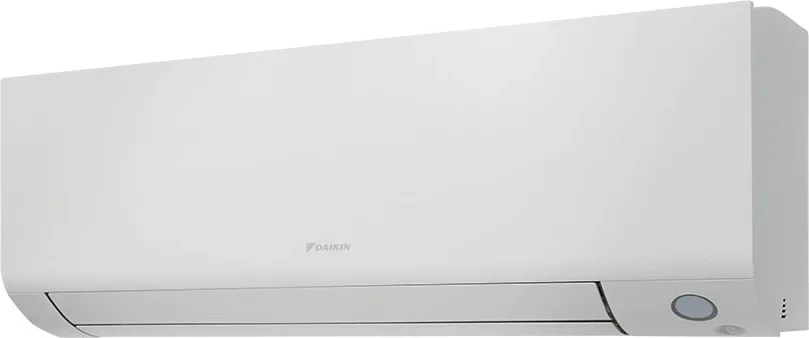
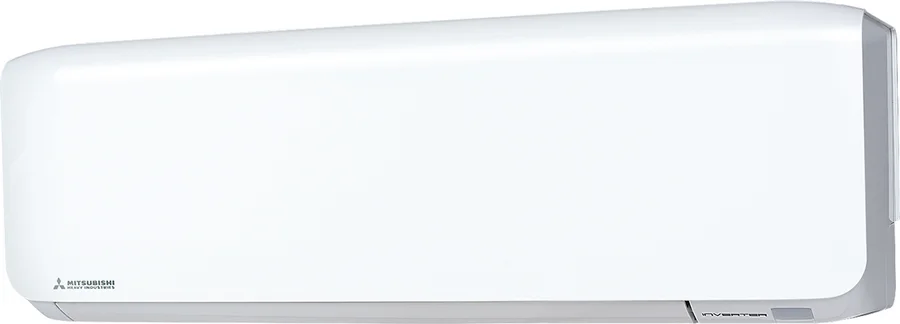
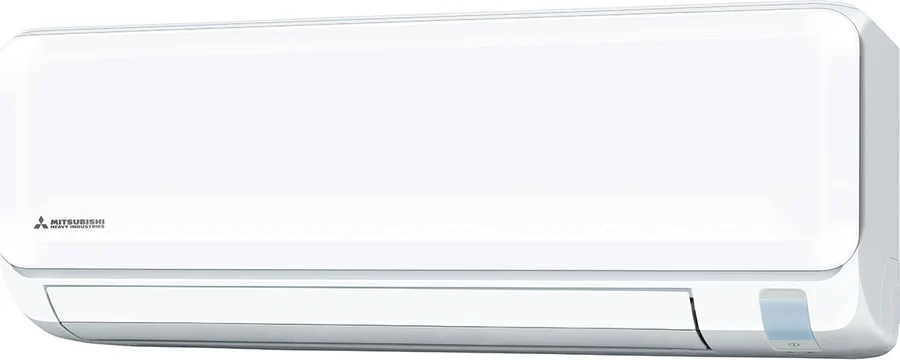
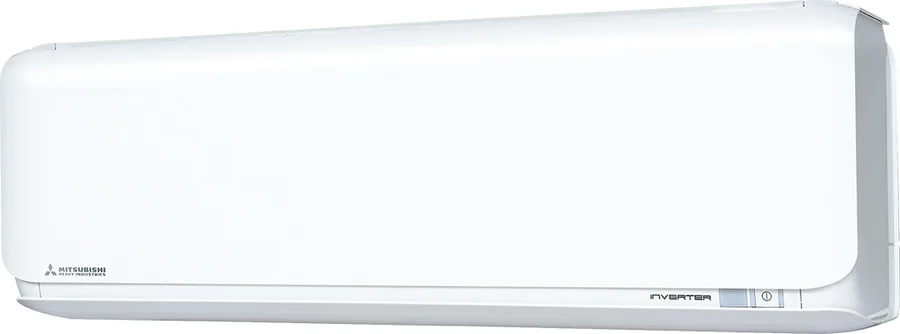
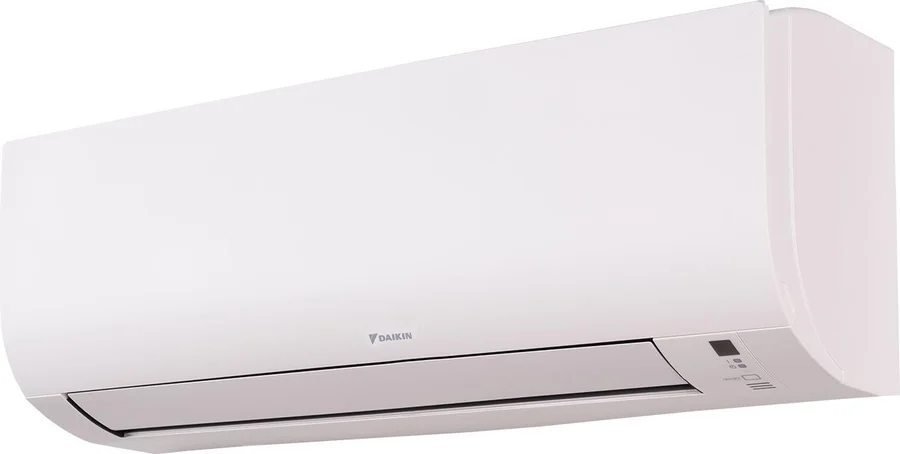
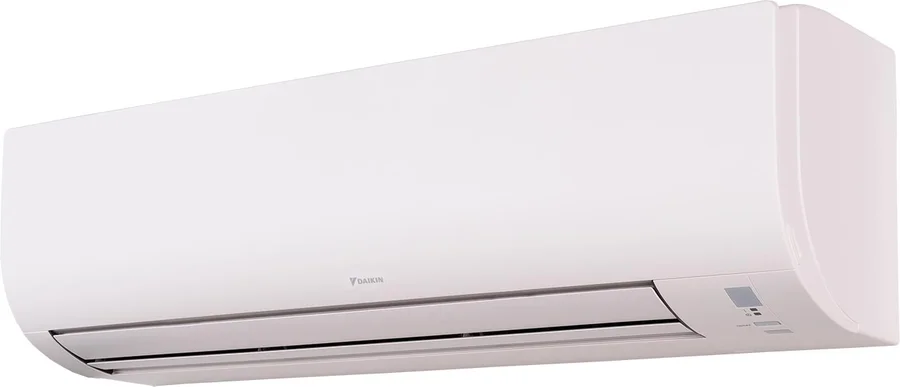
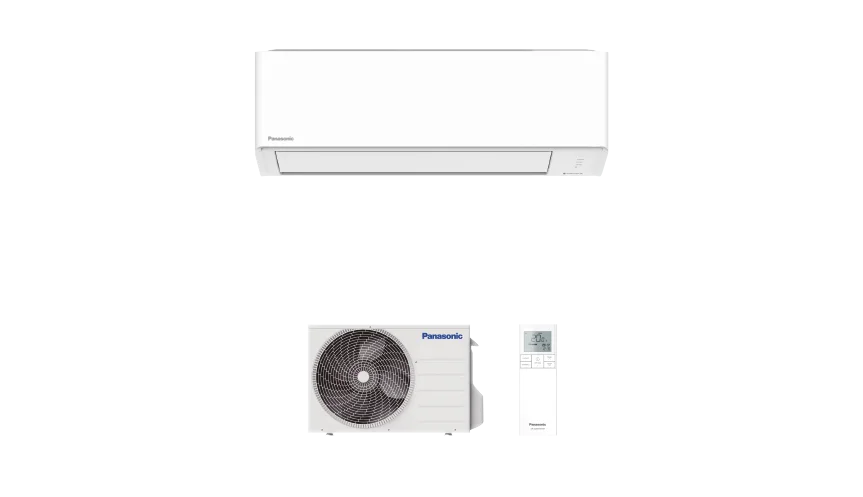
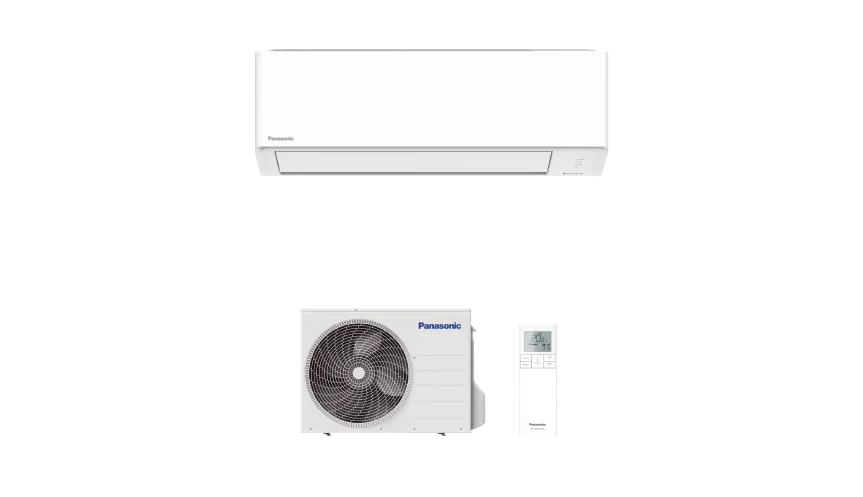
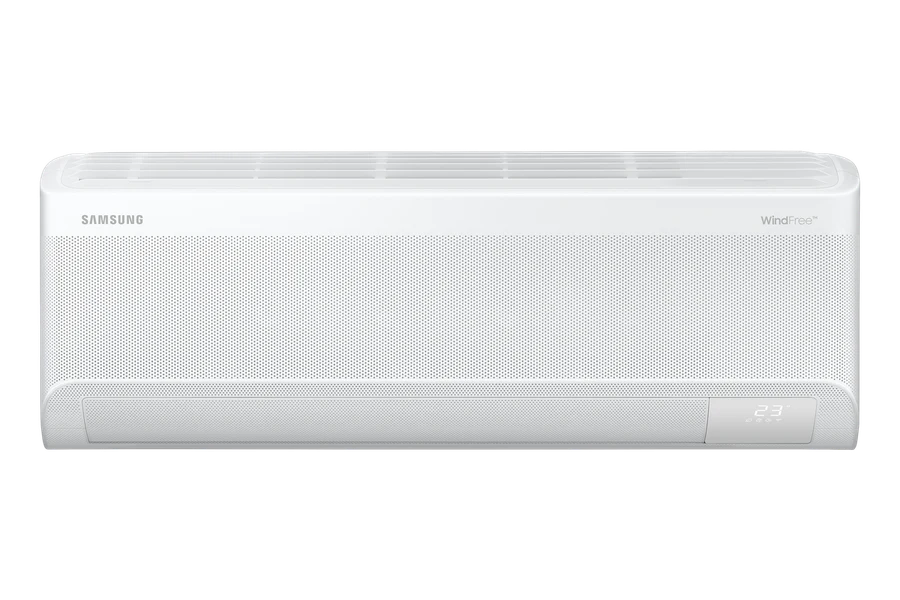
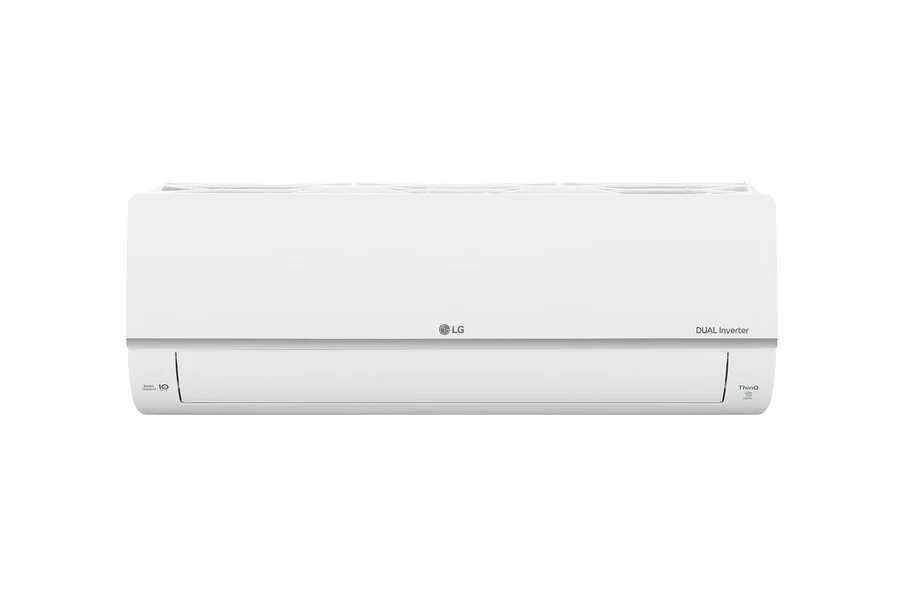
The pictures show the manufacturer’s range. Different cooling powers can look alike, so use the measurements to check the size. Leave extra space around the unit for installation and servicing.
About the data, pictures and sources
This comparison covers 24 wall-mounted combinations from 5 manufacturers. The figures come from their published specifications, rather than our own product tests. It does not cover the whole market or confirm stock availability.
Domestic Aircon transcribed the linked manufacturer tables. Each card records its check date; the latest additions were checked on 24 October 2026. Download the CSV for every model, field and source. Manufacturer images are not covered by our dataset reuse permission. Suggest a model or report a correction.
How are the running costs calculated?
We estimate the cooling needed over your chosen days, divide it by the model’s seasonal cooling efficiency (SEER), then multiply by your electricity unit price. In numbers:
Peak cooling need × average load % ÷ 100 × hours/day × days/year ÷ SEER × price in p/kWh ÷ 100 = estimated pounds per year.
For example, 2.5 kW at 50% average load, for 6 hours on 60 days, means 450 kWh of cooling. With a SEER of 7, that works out to about 64.3 kWh of electricity, or £16.92 at 26.32p/kWh. This includes the energy for the matched indoor and outdoor system; we do not add their consumption a second time.
This is our illustrative calculation, based on the published seasonal efficiency method. SEER includes standard seasonal operating and auxiliary-use assumptions. Scaling it to your chosen usage is approximate: it does not model individual hot days, startup demand, real standby hours or a particular home. The daily figure is an average, not a measured daily bill.
We apply the same cooling demand to each eligible model. A larger unit is not automatically suitable, and may perform differently at that load. A model whose rated cooling power is below the peak need is marked rather than given a misleadingly low price. The example excludes heating, installation, maintenance and the fixed electricity standing charge. Changing the tariff changes all the estimates immediately.
Dataset reuse terms · version 1.0
Domestic Aircon permits you to download and use its compilation for your own research and comparisons. Keep the source links and checked dates with any saved copy. To republish or redistribute our compilation, contact us for permission.
This permission covers only rights Domestic Aircon holds in its compilation. It does not license manufacturers’ or installers’ text, images, logos or source documents, or restrict uses permitted by law.
Domestic Aircon, “Domestic air conditioning model specifications”, edition updated 24 October 2026. https://domestic-aircon.co.uk/tools/compare-air-conditioners/
Free website widget
Put this tool on your website
Give your readers an interactive air conditioning model comparison. Copy both the iframe and the visible credit underneath it into your page’s HTML. The widget stays up to date with this site.
Get the embed code
The credit link sits outside the iframe, in your own page, and uses rel="nofollow". Please keep it visible. The widget also includes Domestic Aircon branding.
Works in a custom HTML block on most website builders. Width follows your page; adjust the height if needed. Some platforms require an administrator to allow iframes. Visitors’ interactions run on Domestic Aircon.